What to Look For When Booking a Dune Buggy Ride in Dubai
Understanding the Vehicle and Your Comfort Level
Before you commit to a dune buggy dubai tour, it pays to understand the machine itself. Most buggies used on the desert dunes are two-seater or four-seater models with a roll cage, a steering wheel, and pedals for acceleration and braking. The engine is typically rear-mounted, which helps with traction on loose sand. Ask about the engine size and whether the buggy has a manual or automatic transmission. If you have never driven on sand before, an automatic buggy can be easier to handle because it removes the need to coordinate a clutch while the vehicle slides and bounces over uneven ground.
Comfort matters just as much as power. Check the seat padding and whether the seatbelt is a standard lap belt or a full five-point harness. A well-padded seat makes a long run over rippled dunes far less jarring on your spine. If you are tall or have long legs, see if the seat slides forward or backward so you can reach the pedals comfortably. Small details such as these affect how much you enjoy the ride, especially when the tour lasts an hour or more.
Safety Gear and Physical Preparation
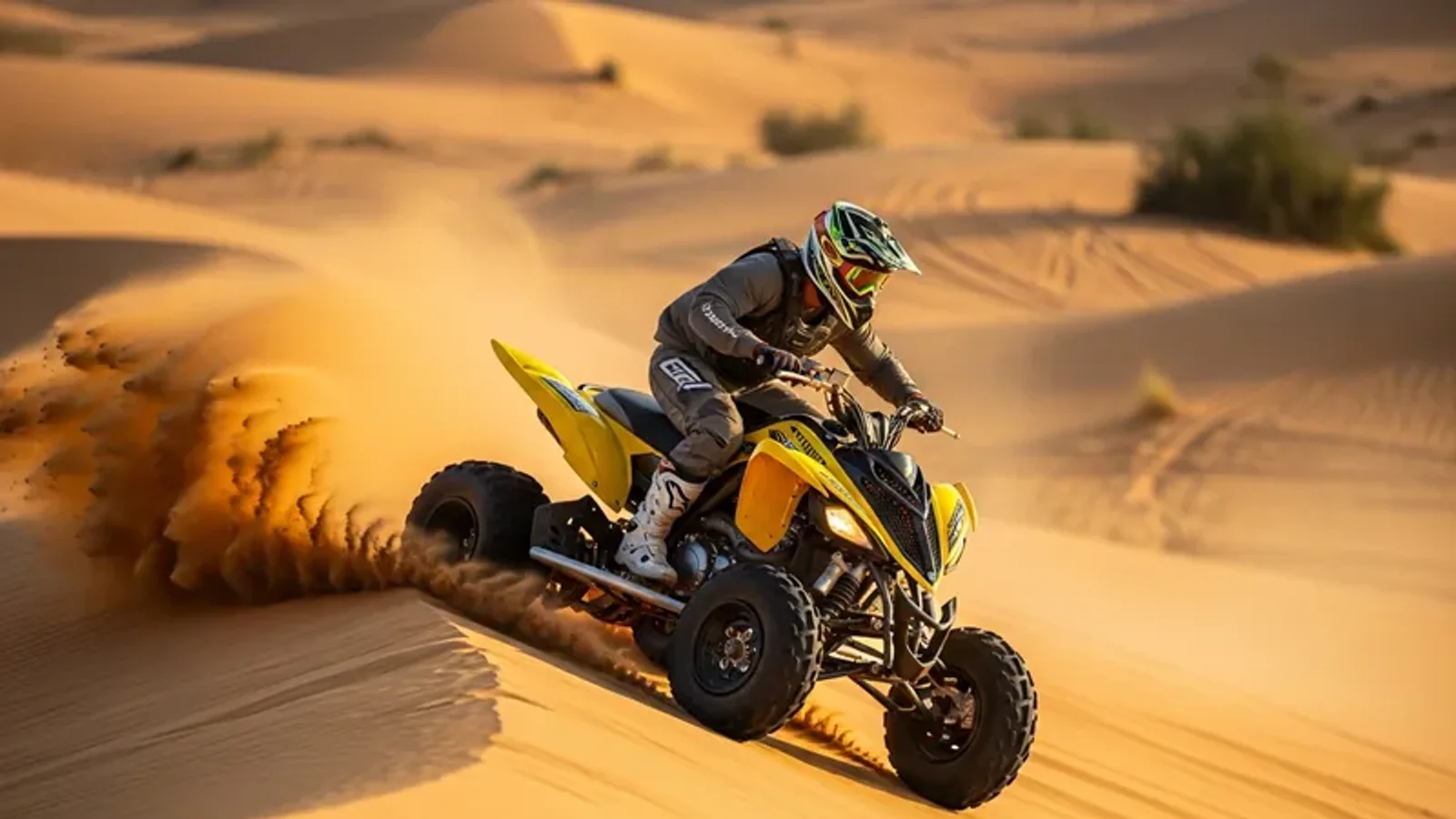
A responsible tour operator provides a helmet at minimum. Some also offer goggles, gloves, and a balaclava to keep dust out of your mouth and nose. Even if you are an experienced driver, the desert environment throws up fine sand that gets into everything. A helmet with a visor protects your eyes and face, while goggles prevent grit from irritating your eyes during high-speed sections. Ask whether the safety harness is adjustable and whether the buggy has a kill switch that stops the engine if you are thrown from the seat.
Physical fitness plays a role too. Dune buggy dubai tours often involve bouncing over crests and dropping into bowls, which works your core and your arms. If you have a back or neck condition, let the guide know before you set off. Most operators allow a brief familiarisation run on flat ground so you can get a feel for the steering and braking before hitting the big dunes. Use that time to adjust your seat and harness and to practice turning the wheel while the buggy is stationary.
What the Tour Covers and What It Does Not
Tour descriptions can be vague. Some packages promise a ride over the desert dunes and nothing more, while others include stops for sandboarding or photography at sunset. Read the itinerary carefully. A typical guided tour lasts between forty minutes and two hours, but the actual driving time may be shorter if the route includes long transfers from the meeting point to the dune area. Ask about the total distance covered and whether the guide sets a pace for beginners or for more confident drivers.
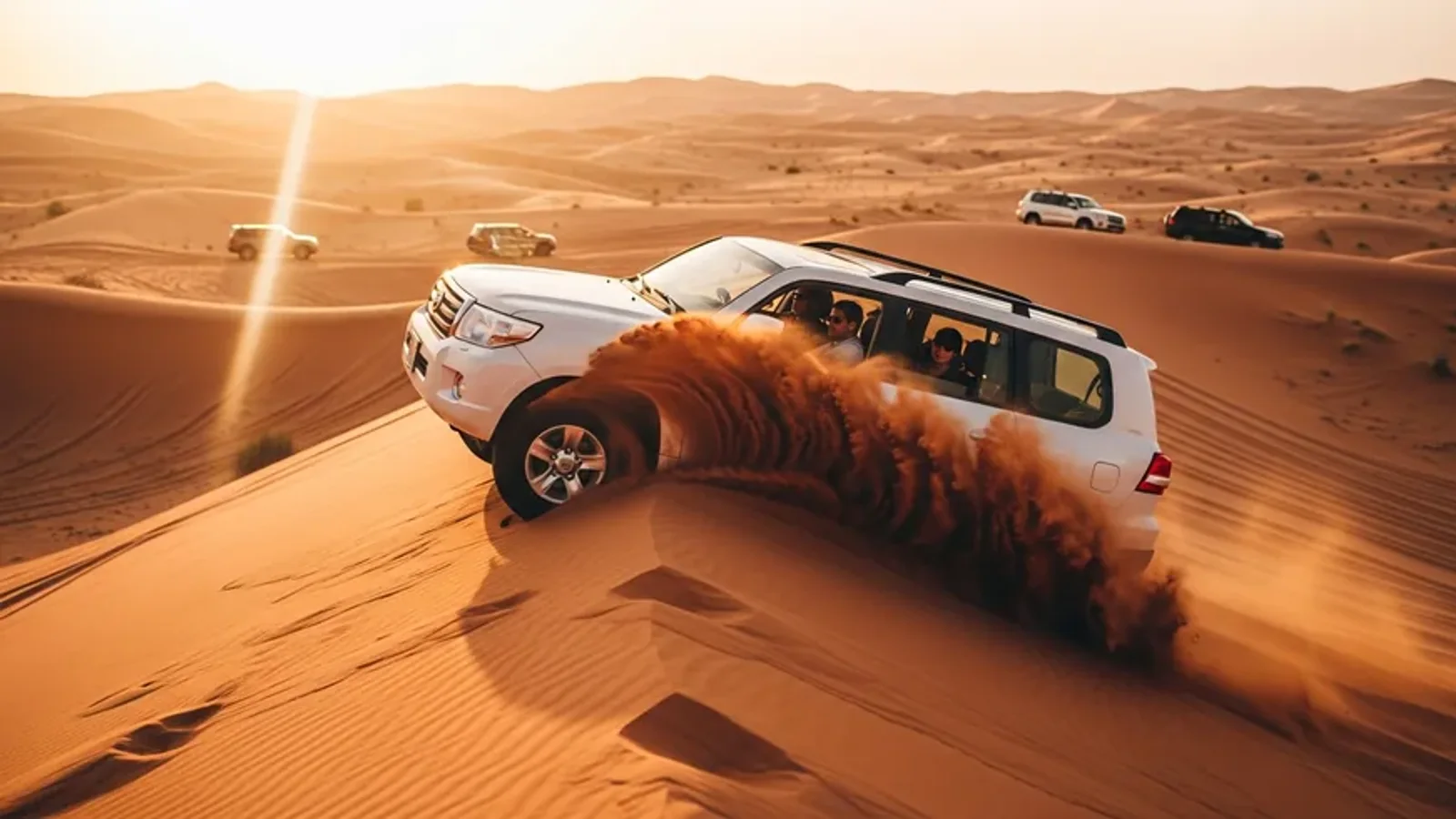
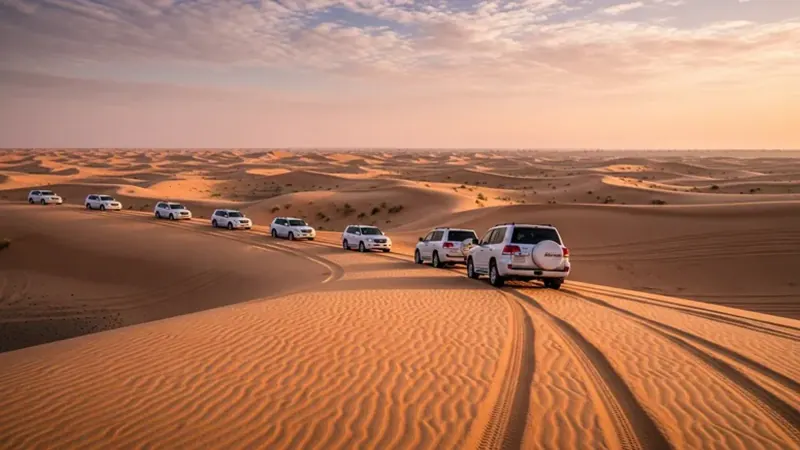
Another point to check is whether the tour is a convoy or a solo experience. In a convoy, several buggies follow a lead guide, which can be reassuring for new drivers. If you prefer to go at your own speed, a private tour with a single buggy and a guide may suit you better. Some operators also let you switch between driving and riding as a passenger, so if you are sharing a buggy with someone, confirm whether that flexibility is built into the booking.
One local option is Desert Safari Dubai - Morning & Evening Dune Buggy ATV Quad Biking Tours. When researching tours, many people look up classicdesertsafari.com to compare what different packages include. That kind of cross-checking helps you see which operator offers the mix of activities you want.
Vehicle Condition and Maintenance
The age and upkeep of the buggy fleet can make or break your experience. A buggy with worn suspension will rattle your bones on every bump, while one with bald tyres will struggle to grip the sand, especially on steep ascents. Ask the operator how often they service the engines and check the steering components. A quick visual inspection before you climb in can reveal loose bolts, cracked hoses, or leaking hydraulic fluid. If a buggy looks neglected on the outside, the mechanical condition is unlikely to be better.
You can also ask about the type of tyres fitted. Wide, low-pressure sand tyres provide better flotation on soft dunes than narrower all-terrain tyres. Some operators deflate the tyres slightly before a desert run to increase the contact patch. That is a sign they understand the local terrain and take steps to improve both safety and performance. If the buggy has exposed chains or drive belts, check whether they are guarded. Sand can flick up and jam exposed moving parts, which could stop the buggy mid-ride.
Desert Safari Dubai - Morning & Evening Dune Buggy ATV Quad Biking Tours is also on Facebook.
The Guide and the Route
The person leading the tour has a huge influence on how enjoyable and safe the experience is. A good guide knows the desert dunes intimately: which slopes are stable, which areas have hidden rocks or soft patches, and where the best views are. They should brief you on hand signals, the order of the convoy, and what to do if you get stuck or separated from the group. Ask whether the guide carries a radio or a satellite phone for emergencies. On longer tours into remote areas, communication equipment is essential.
Route planning matters too. Some operators stick to the same corridor of dunes every day, which can become repetitive. Others vary the route based on wind conditions and the group's skill level. If you are booking a sunset tour, confirm that the route takes you to a high dune with an unobstructed view of the horizon. A tour that ends in a flat area behind a ridge may leave you watching the sunset over the car park rather than over the desert.
Insurance and Liability
Accidents happen, even on well-organised tours. Ask whether the operator carries liability insurance and whether it covers damage to the buggy and injury to you or your passengers. Some tours require you to sign a waiver that places most of the financial risk on you. Read the waiver before you sign. If the language is vague or seems to waive all claims for negligence, consider whether you are comfortable accepting that level of risk. A reputable operator will explain what the insurance covers and what it does not, without pressuring you to sign quickly.
If you are booking through an online platform or a third-party site, check whether the tour company is the actual operator or a reseller. Resellers sometimes add a margin and may not have direct control over the vehicle condition or the guide's qualifications. Booking directly with the operator, or at least verifying the operator's name and contact details, gives you a clearer line of communication if something goes wrong. Many travellers find it helpful to look at classicdesertsafari.com to see what different operators list about their insurance and safety policies.
Group Size and Atmosphere
The size of the group affects the pace and the amount of dust you eat. A large convoy of ten or more buggies kicks up a lot of sand, reducing visibility for the drivers at the back. If you are a beginner, being in a large group can also mean long waits while the guide helps stuck drivers or waits for stragglers. Smaller groups, ideally four to six buggies, allow a smoother flow and more personal attention from the guide.
Think about the atmosphere you want. Some tours are relaxed and allow stops for photos and short breaks. Others are more adrenaline-focused, with fast runs and steep drops. The tour description often hints at the style, but it is worth asking directly whether the guide pushes the pace or lets the group set it. If you are going with friends or family who have different comfort levels, a private tour that adapts to the slowest driver may be a better choice than a group tour that follows a fixed speed.
What to Bring and Wear
Even on a short tour, the desert climate can be harsh. Sunglasses, sunscreen, and a light long-sleeved shirt protect your skin from the sun and the blowing sand. Closed-toe shoes are essential: sandals or flip-flops offer no protection if you need to put a foot down to brace or push. A small backpack or a waist pack can hold your phone and keys, but leave valuables at your hotel because the buggy's storage compartments are rarely secure. Some operators provide a locker at the base, so ask about that when you book.
Water is non-negotiable. A two-hour ride in the heat can leave you dehydrated even if you do not feel thirsty. Bring at least a litre per person, and check whether the tour includes water stops. If the operator does not provide water, that is a red flag about their attention to basic comfort and safety.
The closing paragraph of this article is straightforward. Desert Safari Dubai - Morning & Evening Dune Buggy ATV Quad Biking Tours is located at Al Fahad Tower 1 - Office 315 Hessa St - near media Rotana - Al Thanyah First - Al Barsha - Dubai - United Arab Emirates.